Empowering Change From the Ground Up
The Future Belongs to the Working Class
Many People Worked Hard for Voting Rights and the Work Never Ends
Disclaimer: We are not historians or experts on the topic of voting rights or election subversion. This website came to fruition as a place to refer people to various sources of information.
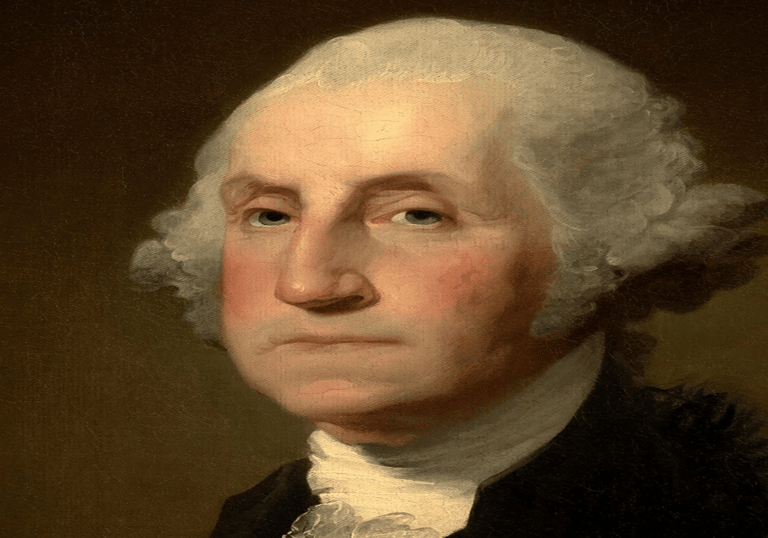
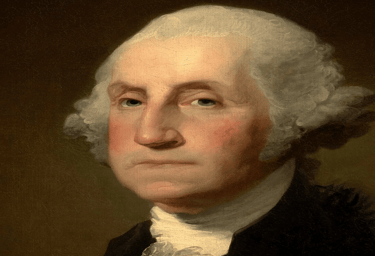
1789 - White Male LANDOWNERS Allowed To Vote in 1st Election
"The right to vote has long been considered one of the cherished freedoms key to American democracy. But voting rights in general were very limited in the Founders’ time and have changed greatly since then.
The Constitution took effect in early 1789 after the first federal elections. It did not include an express protection of the right to vote, and it was left to the states to determine who was eligible to vote in elections."
For the most part, state legislatures generally limited voting to white males who owned land. Some states also utilized religious tests to ensure only Christian men could vote. Gradually, state legislatures began to slightly expand voting rights to non-landowning white males."
There was a law in Alabama, until 2021 that required a "religious oath" in order to register to vote... (FFRF.org)
1860 - Most White Male Citizens (over 21) Had Voting Rights
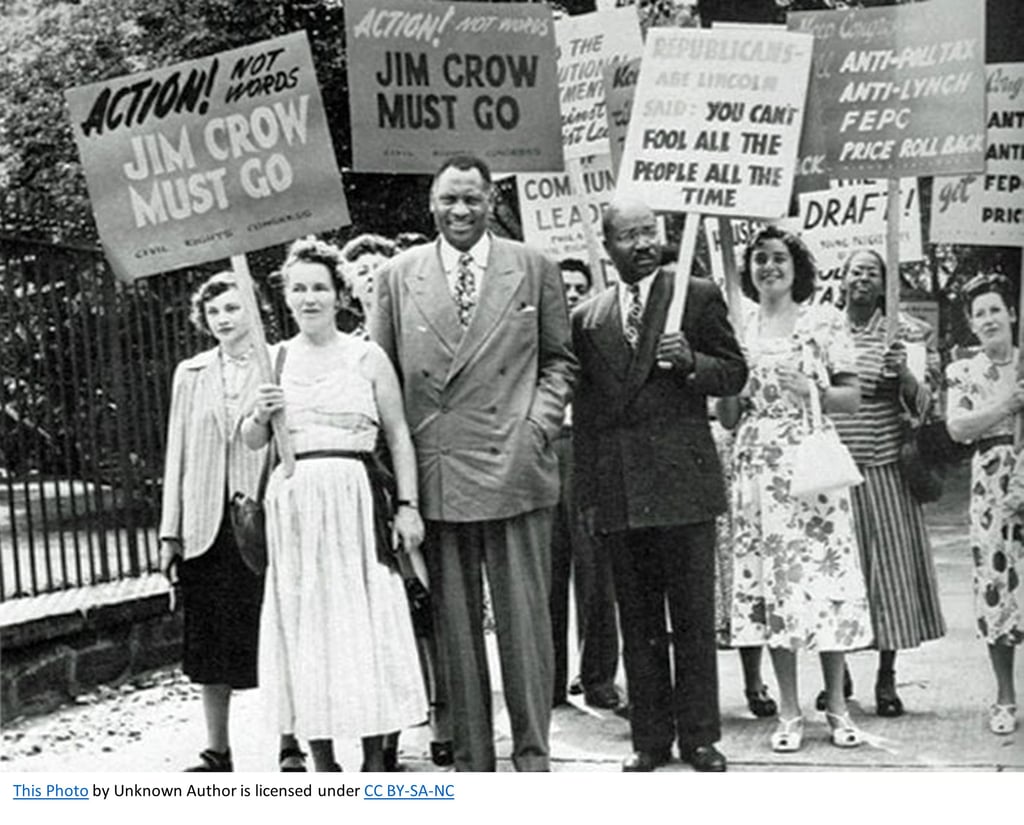
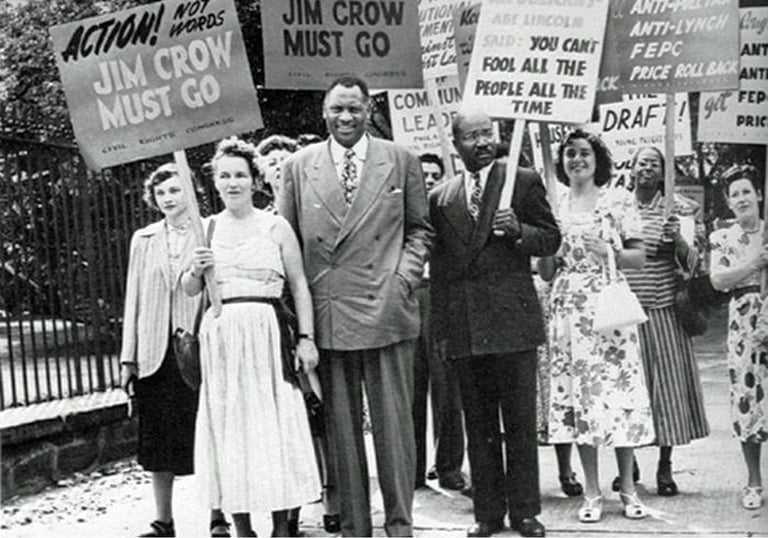
"President Andrew Jackson, champion of frontiersmen, helped advance the political rights of those who did not own property. By about 1860, most white men without property were enfranchised. But African Americans, women, Native Americans, non-English speakers, and citizens between the ages of 18 and 21 had to fight for the right to vote in this country."
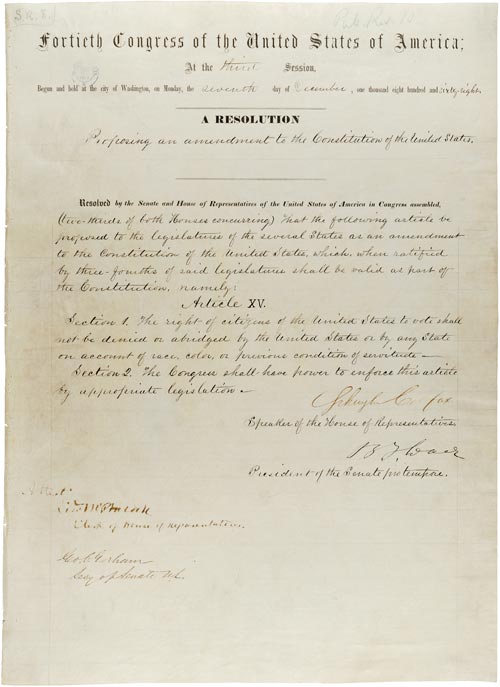
"The Fourteenth Amendment to the Constitution (1868) granted African Americans the rights of citizenship. However, this did not always translate into the ability to vote. Black voters were systematically turned away from state polling places. To combat this problem, Congress passed the Fifteenth Amendment in 1870. It says:
The right of citizens of the United States to vote shall not be denied or abridged by the United States or by any state on account of race, color, or previous condition of servitude.
Yet states still found ways to circumvent the Constitution and prevent blacks from voting. Poll taxes, literacy tests, fraud and intimidation all turned African Americans away from the polls. Until the Supreme Court struck it down in 1915, many states used the "grandfather clause " to keep descendents of slaves out of elections. The clause said you could not vote unless your grandfather had voted -- an impossibility for most people whose ancestors were slaves."
1868 - 14th Amendment Grants Citizenship To African Americans

1870 - 15th Amendment To Voting Rights
"To former abolitionists and to the Radical Republicans in Congress who fashioned Reconstruction after the Civil War, the 15th Amendment, enacted in 1870, appeared to signify the fulfillment of all promises to African Americans. Set free by the 13th amendment, with citizenship guaranteed by the 14th Amendment, Black males were given the vote by the 15th Amendment."

1920: The 19th Amendment
"The evolution of American voting rights in 244 years shows how far we've come — and how far we still have to go."
The 19th Amendment grants suffrage to women but not all Native American and Asian women have citizenship."
Picture credits: 1907 women's suffrage protest by FJ Mortimer/Stringer/Getty Images
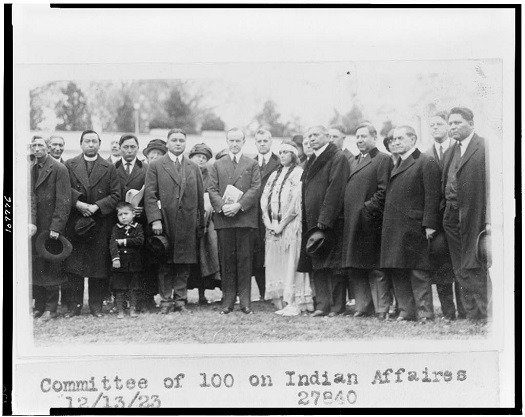
"On June 2, 1924, Congress enacted the Indian Citizenship Act, which granted citizenship to all Native Americans born in the U.S. The right to vote, however, was governed by state law; until 1957, some states barred Native Americans from voting. In a WPA interview from the 1930s, Henry Mitchell describes the attitude toward Native Americans in Maine, one of the last states to comply with the Indian Citizenship Act:
1924 Indian Citizenship Act


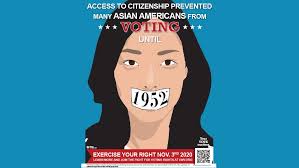
1952: The McCarran-Walter Act grants all Asian Americans the vote
"This attempt to reform immigration laws responded to long-standing criticisms that they crippled U.S. international relations. However, the McCarran-Walter Act retained the national origins quotas as the core principle for controlling immigration even though it granted immigration quotas to all countries, including newly independent former colonies in Asia and Africa, and completely removed the racial restrictions on citizenship by naturalization. Despite this symbolically significant gesture to racial egalitariansim, 85% of immigration quotas were allocated to western & northern Europeans while Asian countries had comparatively tiny quotes, with Japan's being the largest at 185."

1961: The 23rd Amendment regarding Dictrict of Columbia
"On many DC license plates you'll see the phrase "taxation without representation" — and it's because residents of the District of Columbia paid taxes, but couldn't vote in presidential elections until the early 1960s.
While DC is allotted three electoral votes in presidential election years, they have no representation in Congress. A 1978 amendment to give DC congressional representatives ultimately failed in Congress."
1965: Congress passes the historic Voting Rights Act, removing discriminatory barriers that kept many people of color from voting.
2026: The Supreme Court finishes the dismantling of the Voting Rights Act.
Read the details at the Brennan Center For Justice
1965 Voting Rights Act
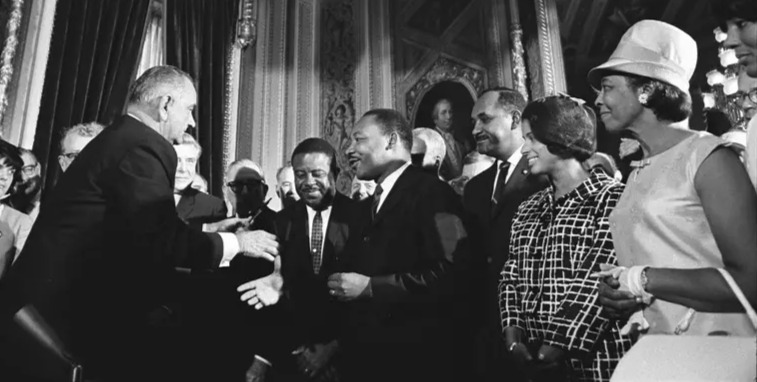
1965 Voting Rights Act (VRA) NAACP Prospective
Voting Rights Will Always Need Protection
"Originally, legislators hoped that within five years of its passage, the issues surrounding the 1965 Voting Rights Act would be resolved and there would be no further need for its enforcement-related provisions.
They were wrong.
Congress had to extend these provisions in 1970, 1975, 1982 and most recently in 2007, this time for 25 years."
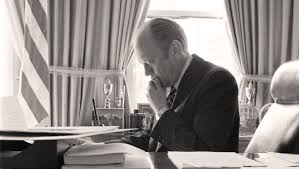

President Ford Signs VRA Extension of 1975
"President Gerald R. Ford approves a seven year extension of the Voting Rights Act, which broadens voting protection especially for Mexican Americans, Asians, and Indians. The reauthorization contains new provisions to permanently bar literacy tests nationwide and provide language assistance for minority voters. The law also extends the “preclearance” provisions that require courts to monitor states with a history of discrimination."
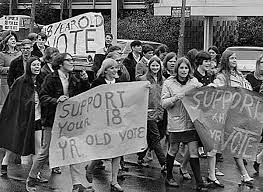
"At the time of its enactment in 1868, Section 2 of the Fourteenth Amendment established protections for the right to vote, specifically for the “male inhabitants" of the state, being twenty-one years of age, and citizens of the United States.” Nearly a hundred years passed before calls for lowering the voting age from twenty-one to eighteen emerged in the 1940s. With the lowering of the draft age from 21 to 18 for World War II, there began numerous Congressional proposals to match the voting age to the draft age. The idea was also endorsed by First Lady Eleanor Roosevelt. Dwight D. Eisenhower was the first president to endorse the change, publicly supporting the lower voting age in his 1954 State of the Union address."
1970: Voting Age Lowered to 18 years old